AGP Executive Report
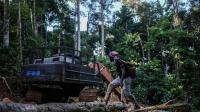
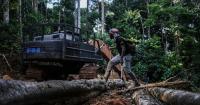
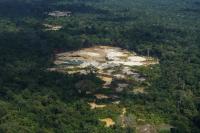
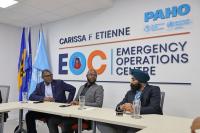
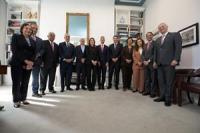
Last update: an hour agoForest Mapping: Saamaka communities are using satellite imagery, GPS and patrols to document logging and mining incursions in their ancestral rainforest, aiming to win recognition for their traditional forest stewardship. Bird Flu Monitoring: Suriname reports no human H5 infections among people exposed to poultry; tests confirmed H5 in poultry, while labs in the U.S. and Brazil work to identify the strain and its risk. Health Cooperation: PAHO and international partners discussed support for Suriname’s 2026–2030 health priorities, including stronger services and resilience to climate threats.
Note: AI summary from news headlines; neutral sources weighted more to help reduce bias in the result. Feedback is welcome. Please let us know if you have any comments or suggestions about the AGP Executive Report.

 Perspectify News